
Articles & Practical Guides
Engineering tips, technical tutorials, and real-world software advice from our team.

JWT Authentication in PHP
JWT authentication provides a flexible, stateless solution for securing PHP applications. By understanding the token structure, selecting a reliable library, and following security best practices, developers can build scalable APIs that serve web, mobile, and third‑party clients with confidence. Proper implementation of token generation, verification, and route protection ensures that only authorized users gain access while keeping the system resilient against common attacks.


Implementing Responsive Breakpoints
Implementing responsive breakpoints is a disciplined process that starts with a deep understanding of content flow, proceeds through thoughtful definition of breakpoint values, and culminates in clean, maintainable CSS. By adopting a mobile‑first mindset, leveraging modern layout modules, and integrating rigorous testing, developers can deliver experiences that feel native on any device. The result is a site that not only looks good but also performs efficiently, reinforcing brand credibility and user satisfaction.

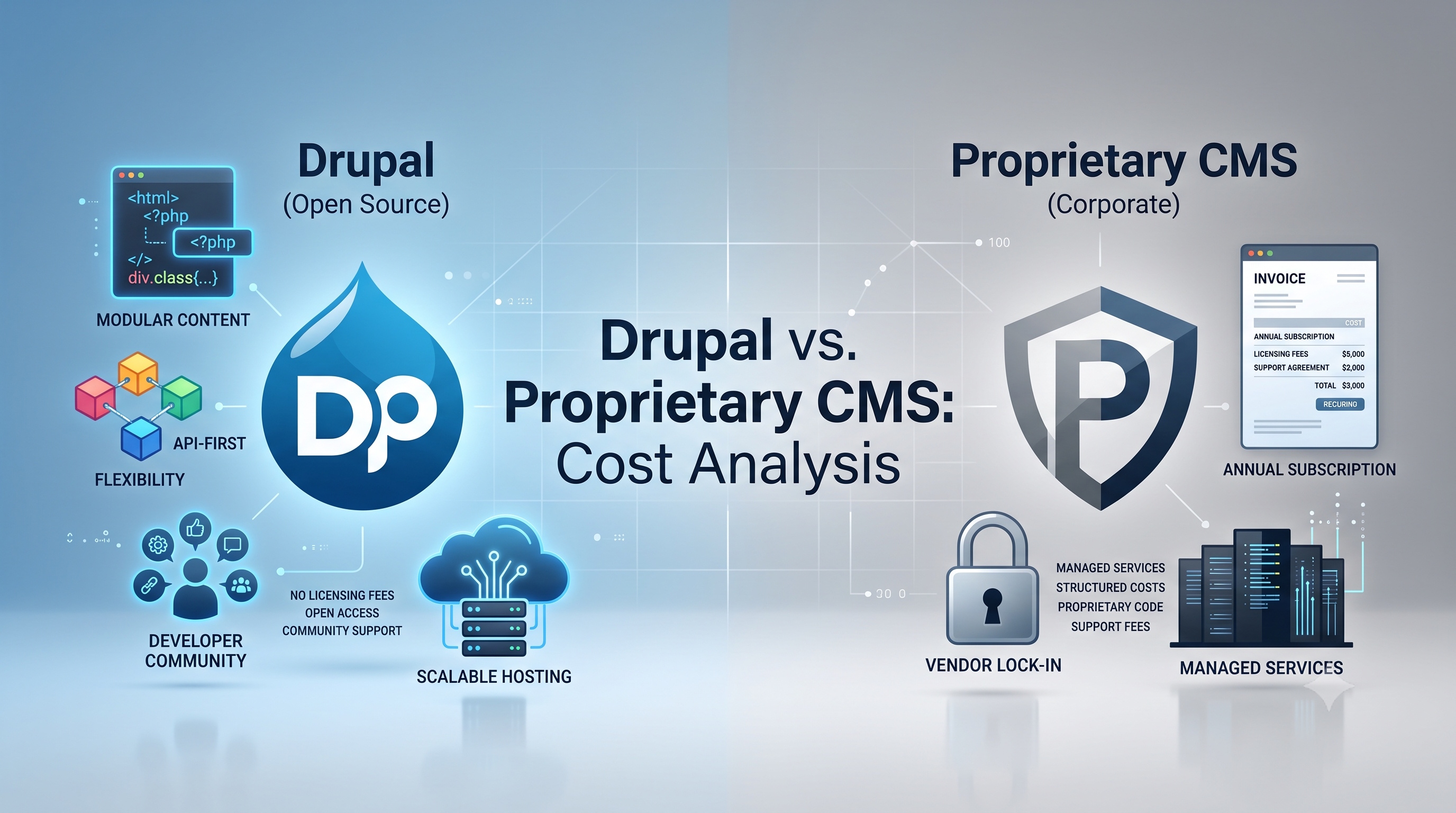
Drupal vs. Proprietary CMS: Cost Analysis
Cost analysis reveals that Drupal and proprietary CMS platforms occupy distinct financial niches. Drupal offers a low‑license, high‑flexibility model that can deliver substantial savings when an organization can invest in skilled development and manage its own infrastructure. Proprietary CMS solutions provide convenience, predictable subscription pricing, and vendor‑managed maintenance, but they often carry higher long‑term expenses and create dependency on the vendor’s ecosystem. By dissecting licensing, development, hosting, support, and training costs, decision‑makers can calculate a realistic total cost of ownership and choose the platform that best fits both budget constraints and business objectives.

Drupal’s Configuration Management Explained
Drupal’s Configuration Management transforms site settings into version‑controlled code, aligning the platform with modern development practices. By exporting configuration to YAML, leveraging tools like Config Split, and automating the import process, teams can achieve consistent environments, faster releases, and reduced risk of configuration drift. Adhering to the best practices outlined in this article, such as committing all configuration, separating secrets, and validating imports, will ensure a stable, maintainable Drupal ecosystem that scales with the needs of any organization.


Site Building with Paragraphs vs. Field Collections
Choosing between paragraphs and field collections is not a binary decision; it depends on the specific needs of the site, the editorial workflow, and performance considerations. Paragraphs excel in scenarios that demand reuse, independent revisions, and fine‑grained access control. Field collections shine when simplicity, low overhead, and rapid development are the primary goals. By applying the outlined best practices and decision framework, development teams can construct robust, maintainable content models that align with both business objectives and technical constraints.


Monitoring with CloudWatch Metrics
Monitoring with CloudWatch metrics provides a scalable, flexible foundation for maintaining the health and performance of AWS workloads. By understanding metric types, establishing disciplined collection processes, configuring precise alarms, and following best practices, organizations can achieve rapid detection of issues, informed capacity planning, and automated remediation. Integrating CloudWatch with complementary AWS services further amplifies its capabilities, turning raw data into actionable insight. A thoughtful monitoring strategy built on CloudWatch metrics is essential for delivering reliable, cost‑effective cloud solutions.


Handling File Uploads Securely
Secure file upload handling is a multi‑layered discipline that combines strict validation, controlled storage, active scanning, and vigilant monitoring. By adhering to the principles and steps outlined in this article, developers can dramatically reduce the risk of malicious files compromising their applications. Continuous testing, regular updates, and a proactive security mindset ensure that the upload functionality remains a trusted component of the overall system architecture.


SSH Tunnels for Secure Access
SSH tunnels provide a lightweight, robust method for encrypting arbitrary TCP traffic without the overhead of a full‑scale VPN. By mastering local, remote, and dynamic forwarding, professionals can secure database connections, expose internal services safely, and create on‑demand proxy solutions. Applying strict authentication, limiting forwarding permissions, and maintaining diligent monitoring ensures that the convenience of SSH tunneling does not compromise overall security posture.

Writing Accessible HTML
Writing accessible HTML is a disciplined practice that blends semantic markup, thoughtful ARIA usage, keyboard-friendly design, and rigorous testing. By adhering to WCAG principles and integrating accessibility checks into the development pipeline, teams deliver experiences that serve the widest possible audience. The effort invested today reduces future remediation costs, enhances brand reputation, and fulfills legal obligations. Embrace accessibility as a foundational quality attribute, not an afterthought, and the web will become a more inclusive space for all users.